
Different suspension systems for cars
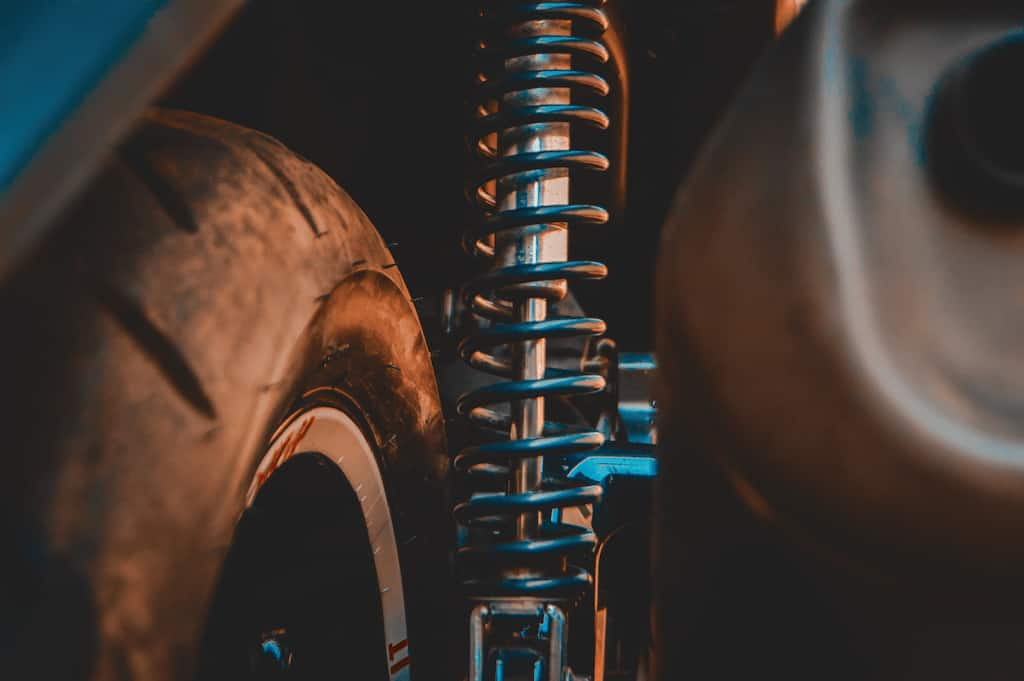
When drivers talk about handling, comfort, or “road feel,” they’re often talking about suspension—the system that connects your car to the road. Understanding different suspension systems for cars helps you choose the right setup for daily driving, off-road adventures, or track performance.
In this guide, we’ll break down the most common suspension types car manufacturers use today, how each works, and which one fits your driving style—whether you’re commuting, exploring, or chasing lap times.
Why Suspension Matters
A car’s suspension has three essential jobs:
- Maintain tire contact with the road for safety and traction
- Absorb bumps and vibrations for comfort
- Control body movement (roll, dive, squat) for stability and cornering
A well-designed suspension balances comfort and control, while performance-focused setups prioritize responsiveness and grip.
Key Suspension Components
Before we compare suspension types, here are the basic parts involved:
- Springs: Support vehicle weight and absorb impacts
- Shock absorbers (dampers): Control spring movement and prevent bouncing
- Control arms / links: Keep wheels aligned and positioned
- Anti-roll bars (sway bars): Reduce body roll in corners
- Bushings & mounts: Reduce vibration and provide flexible connections
Each suspension system combines these components in different ways.
The Main Suspension Types Car Manufacturers Use
MacPherson Strut Suspension (Most Common Front Suspension)
The MacPherson strut is one of the most widely used suspension designs—especially in compact and mid-size cars.
Pros
- Simple, lightweight design
- Cost-effective
- Saves space (ideal for front-wheel-drive cars)
Cons
- Less precise wheel control than multi-link systems
- Limited adjustability for performance driving
Double Wishbone Suspension (Performance + Precision)
Double wishbone setups use two control arms (upper and lower) shaped like a “wishbone.” This keeps the wheel more stable during suspension travel.
Pros
- Excellent handling and cornering stability
- Better camber control (tire stays flatter on the road)
- Great for performance upgrades
Cons
- More complex and expensive
- Takes more space
Check out this race car driving experience for more track-focused inspiration.
Multi-Link Suspension
Multi-link suspension uses three or more arms/links per wheel, giving engineers more control over how the wheel moves.
Pros
- Great comfort and refined ride
- Excellent handling balance
- Better isolation from bumps and noise
Cons
- More expensive to build and repair
- More parts = more potential wear points
Rear Suspension Systems Explained
Torsion Beam Suspension (Affordable & Practical)
A torsion beam is a semi-independent rear suspension commonly found in budget-friendly vehicles.
Pros
- Cheap, durable, simple
- Compact design increases trunk space
- Low maintenance
Cons
- Less responsive handling than independent suspensions
- Reduced performance under aggressive driving
Solid Axle / Live Axle Suspension (Strong but Less Refined)
A solid axle connects both rear wheels through a single axle housing. It’s extremely durable, especially for heavy loads.
Pros
- Very strong and rugged
- Great for towing and off-road use
- Lower cost for durability
Cons
- Worse ride comfort
- Less independent wheel movement (hurts handling)
Advanced Suspension Systems
Air Suspension (Luxury Comfort + Adjustable Ride Height)
Air suspension replaces traditional springs with air-filled bags controlled by a compressor.
Pros
- Adjustable ride height
- Smooth, premium ride comfort
- Self-leveling (great for load handling)
Cons
- Expensive repairs
- More complex system
- Can fail over time if not maintained
Adaptive / Active Suspension
Adaptive suspension uses electronically controlled dampers that adjust in real time, based on road conditions and driving behavior.
Pros
- Best of both worlds: comfort + performance
- Improves stability and safety
- Can switch between modes (Comfort/Sport)
Cons
- Expensive
- Repairs and components cost more
Suspension Types Car Drivers Choose for Specific Uses
Best Suspension for Daily Driving
- MacPherson strut (front) + torsion beam (rear) → affordable, reliable
- Multi-link (rear) → smoother ride and better road stability
Best Suspension for Performance & Track Days
- Double wishbone or multi-link
- Adaptive dampers for mode switching
Track driving also depends on your car’s full setup, including engine behavior and weight balance. This guide on types of car engines helps connect performance driving with mechanical design choices.
Best Suspension for Off-Road and Overlanding
- Solid axle systems
- Long-travel coil suspension
- Air suspension (if rugged and properly protected)
Common Signs Your Suspension Needs Attention
Regardless of suspension type, some common signs that your suspension may need attention include uneven tire wear, clunking noises, excessive bouncing after bumps, the car pulling to one side, or reduced braking stability such as noticeable nose diving when stopping. If you notice any of these symptoms, it’s important to address them quickly, because worn suspension components can reduce both safety and performance more than most drivers realize.
Conclusion
Different suspension systems for cars exist because driving needs vary. Some drivers prioritize a smooth and quiet ride for everyday comfort, while others seek sharper handling and stability for spirited driving or track use. There are also drivers who need durability and articulation for off-road terrain. In general, multi-link and air suspension setups tend to provide a more refined experience, double wishbone and adaptive systems often deliver better control and precision, and simpler configurations like MacPherson struts and torsion beam suspensions remain a reliable choice for cost-efficiency and practical daily driving. If you enjoy learning how cars work—and how real-world driving feels depending on the mechanical setup—explore Andries Adventures for more automotive guides, technical breakdowns, and unique driving inspiration.