
Types of Car Engines Explained: A Simple Guide for Everyday Drivers
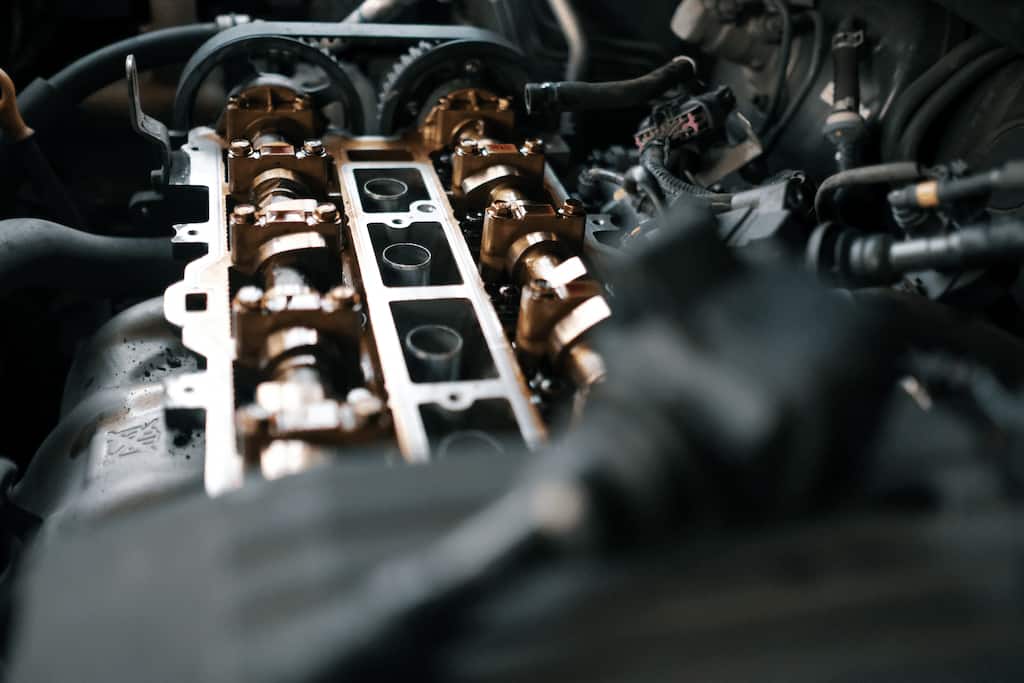
Choosing a car today means navigating a world filled with different engine technologies, configurations, and performance options. If you’ve ever wondered what the main types of car engines are or which one is best for your needs, this guide breaks everything down in plain, practical language.
Whether you’re researching before buying a car or simply curious about how engines work, this article from Andries Adventures gives you the clear, useful overview you’ve been looking for.
What Are the Main Types of Car Engines?
Although the automotive world is full of variations, everyday drivers can focus on four primary types of engines. Understanding these will help you compare vehicles more confidently.
1. Internal Combustion Engines (ICE)
This is the traditional engine most people know. It runs on gasoline or diesel and burns fuel inside the cylinders to create power.
Common layouts include:
- Inline (I4, I6): Smooth and efficient
- V-type (V6, V8): More power, compact design
- Flat/Boxer engines: Low center of gravity, excellent balance
2. Hybrid Engines
Hybrid engines combine:
- An internal combustion engine
- One or more electric motors
This setup improves fuel economy and reduces emissions without sacrificing daily usability. Hybrids are ideal for city commuters who want efficiency without range anxiety.
3. Electric Motors (EV Engines)
Fully electric cars use battery-powered motors that deliver instant torque, smooth acceleration, and zero emissions.
Benefits:
- No fuel required
- Fewer moving parts
- Quiet operation
Electric powertrains are rising quickly, and many modern EVs now outperform traditional sports cars.
4. Plug-in Hybrid Engines (PHEV)
PHEVs sit between hybrid and EV technology. They offer:
- A larger battery than standard hybrids
- An electric-only driving range
- A conventional engine for longer distances
Perfect for drivers who want electric capability without committing to full EV ownership.
How Engine Configuration Affects Performance
Engine configuration refers to how the cylinders are arranged, and this layout plays a key role in power delivery, smoothness, efficiency, and overall driving feel. Even when two engines have the same number of cylinders, their configuration can make them behave very differently on the road.
Inline Engines (I3, I4, I6)
Inline engines place all cylinders in a single straight row.
They are widely used because they offer a balanced mix of efficiency, reliability, and cost-effectiveness.
V Engines (V6, V8, V10, V12)
Popular in performance and luxury vehicles.
They deliver:
- Strong torque
- Excellent acceleration
- Compact size relative to their power output
Boxer Engines
Used by brands like Subaru and Porsche.
They sit low in the chassis, improving handling and stability.
What Type of Car Engine Is the Best?
There is no single “best” engine for everyone. The most suitable engine depends on your driving habits, environment, maintenance preferences, and performance expectations. Below is a detailed breakdown to help you make a smart and informed choice.
Best for Daily Commuting: Hybrid or Plug-in Hybrid Engines
If your routine includes city traffic, short trips, or frequent stop-and-go conditions, a hybrid or plug-in hybrid engine can offer the perfect balance between convenience and efficiency.
- Lower fuel consumption: The electric motor handles low-speed driving, reducing gasoline use.
- Quiet operation: EV modes make daily mobility smoother and more relaxing.
- Regenerative braking: Converts braking energy back into battery power, maximizing efficiency in traffic.
- Flexible range: Plug-in hybrids offer electric-only driving for short commutes and a gasoline engine for longer trips.
This combination keeps costs down and simplifies daily driving while reducing emissions.
Best for Long-Distance Drivers: Diesel or Efficient Gasoline Engines (ICE)
For drivers who cover many miles—especially on highways—diesel or efficient gasoline engines remain strong choices.
- Superior range: You can drive hundreds of miles on a single tank.
- Fuel efficiency at constant speeds: Diesel engines perform exceptionally well on highways thanks to high torque at low RPMs.
- Strong durability: Built to withstand long-term use and heavy loads.
- Availability and fast refueling: Unlike EVs, you can refuel quickly and virtually anywhere.
If you travel frequently for work or enjoy weekend road trips, these engines provide dependable, economical performance.
Best for Performance Enthusiasts: V-Type Engines (V6, V8, V10)
Performance drivers value power, responsiveness, and an engaging driving experience—qualities V-type engines deliver exceptionally well.
- High horsepower and torque: More cylinders mean more combustion power and faster acceleration.
- Quick throttle response: Ideal for overtaking, corner exits, and sporty driving.
- Distinctive engine sound: V6 and V8 engines produce iconic exhaust notes loved by enthusiasts.
- Robust build: Designed for spirited driving, towing, or high-speed performance.
If you want to feel the raw intensity of powerful engines, you can take things further by trying a Race Car Driving Experience and getting behind the wheel of a true performance machine.
Best for Eco-Conscious Drivers: Electric Motors (EVs)
Electric motors are increasingly popular among drivers who want cleaner, quieter, and more efficient mobility.
- Zero tailpipe emissions: Reduces your carbon footprint instantly.
- Instant torque: Electric motors deliver rapid acceleration without gear changes.
- Low maintenance: No oil changes, fewer moving parts, and reduced wear on brakes.
- Smooth, silent driving: Creates a premium, comfortable driving experience.
- Growing charging networks: Easier access to fast chargers makes EVs more practical than ever.
If sustainability and low operating costs are your priorities, EVs offer an unmatched driving experience.
Is a V16 Faster Than a V8?
Not always. A V16 engine has more cylinders, which typically means:
- more power potential
- more complexity
- more fuel consumption
However, performance depends on many factors:
- vehicle weight
- engine tuning
- forced induction (turbo/supercharging)
- gearing
- aerodynamics
A modern V8 with turbocharging can easily outperform an older or naturally aspirated V16.
So while a V16 can be extremely powerful, it’s not automatically faster.
Conclusion: Choosing the Right Engine for Your Needs
Understanding the types of car engines helps you make smarter decisions—whether you’re buying a car, comparing performance stats, or simply becoming a more informed driver.
If you want to go deeper into the world of cars and performance, explore driving events, travel inspiration, and automotive insights at Andries Adventures.
And if you’re ready to experience real engine power, consider booking a Race Car Driving Experience to feel the difference yourself.